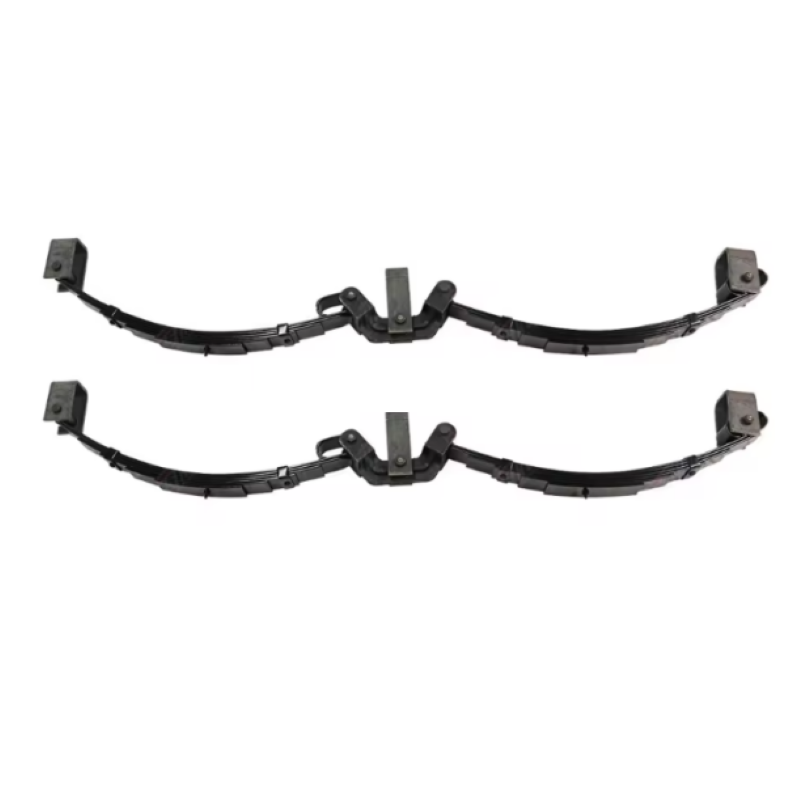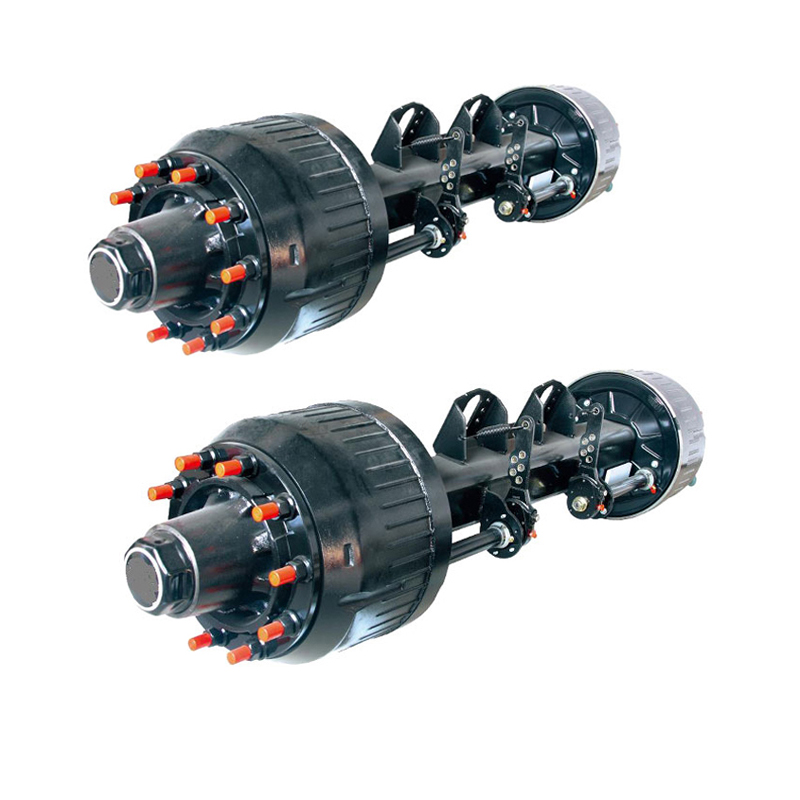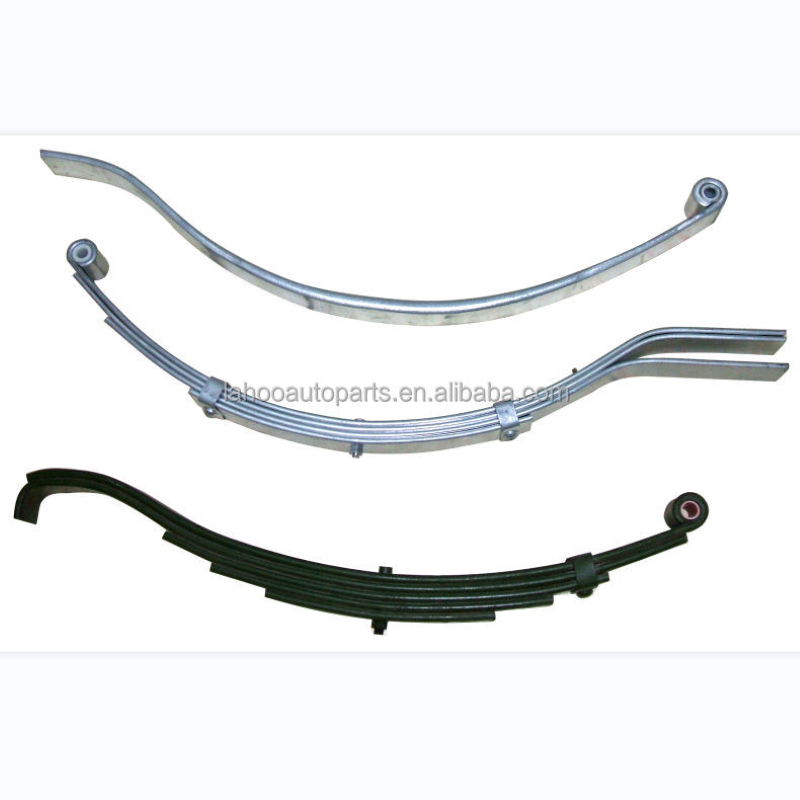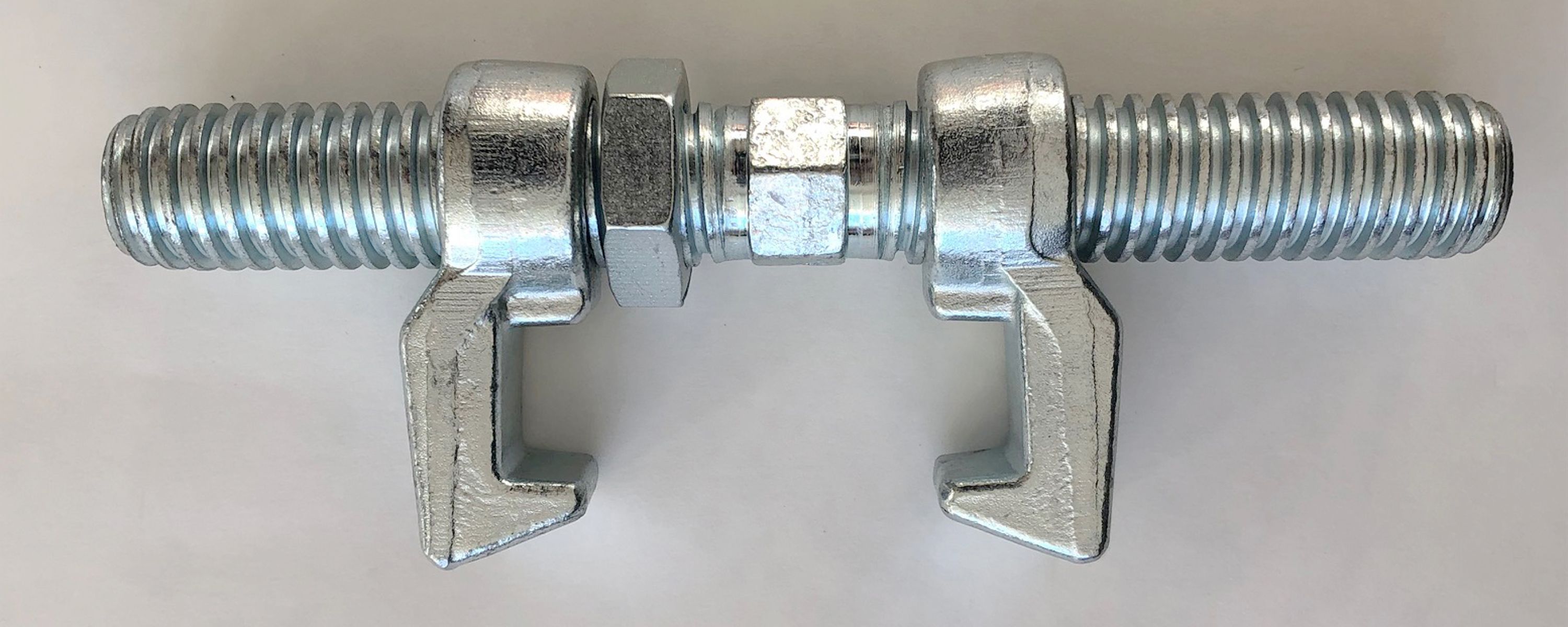
An eye leaf spring suspension is one of the most traditional, robust, and cost-effective suspension systems used in the trailer industry, particularly for small to medium-duty trailers. The system's name comes from the distinctive "eye" formed at each end of the longest leaf (the main leaf), which is used to attach the spring to the trailer frame and the axle.
This design is renowned for its simplicity, durability, and excellent load-bearing capacity. It effectively absorbs road shocks and vibrations, providing a stable ride and protecting both the cargo and the trailer structure. The "eye" ends allow for pivoting, accommodating the arc of the spring as it flexes over bumps and under load.


Trailer truck suspensions play a critical role in ensuring stability, load-bearing capacity, and ride comfort. For small trailers, eye leaf spring suspensions are a widely used and cost-effective solution due to their simplicity, durability, and ability to handle moderate loads. Below is an overview of their design, function, and benefits:
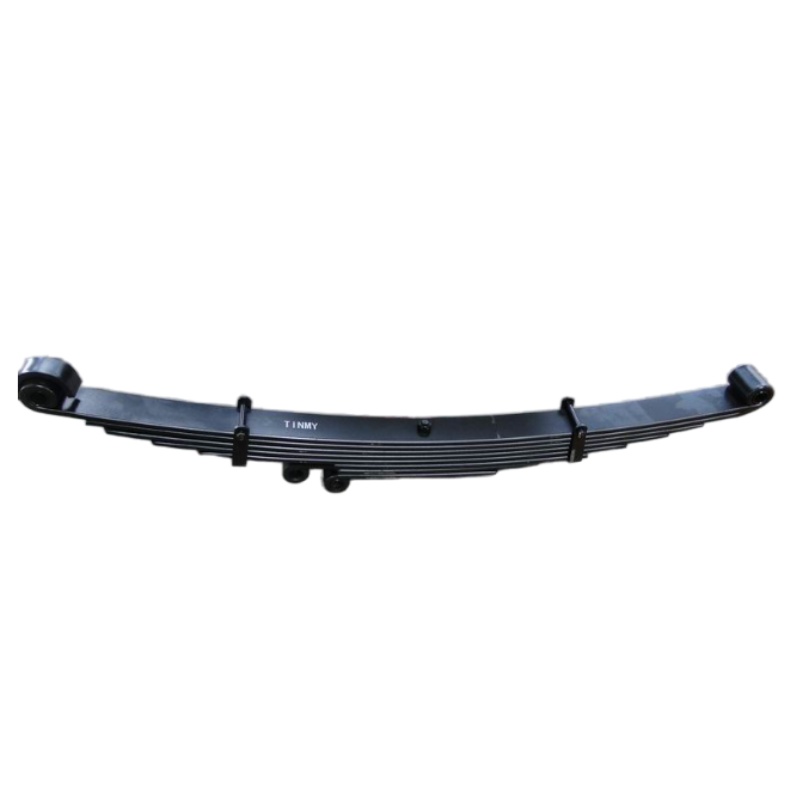
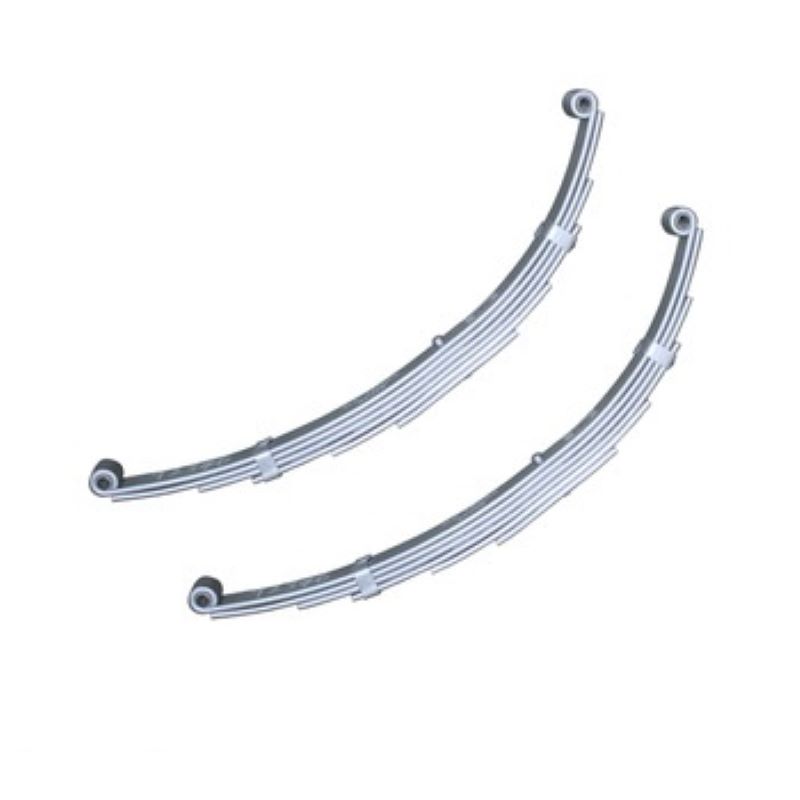
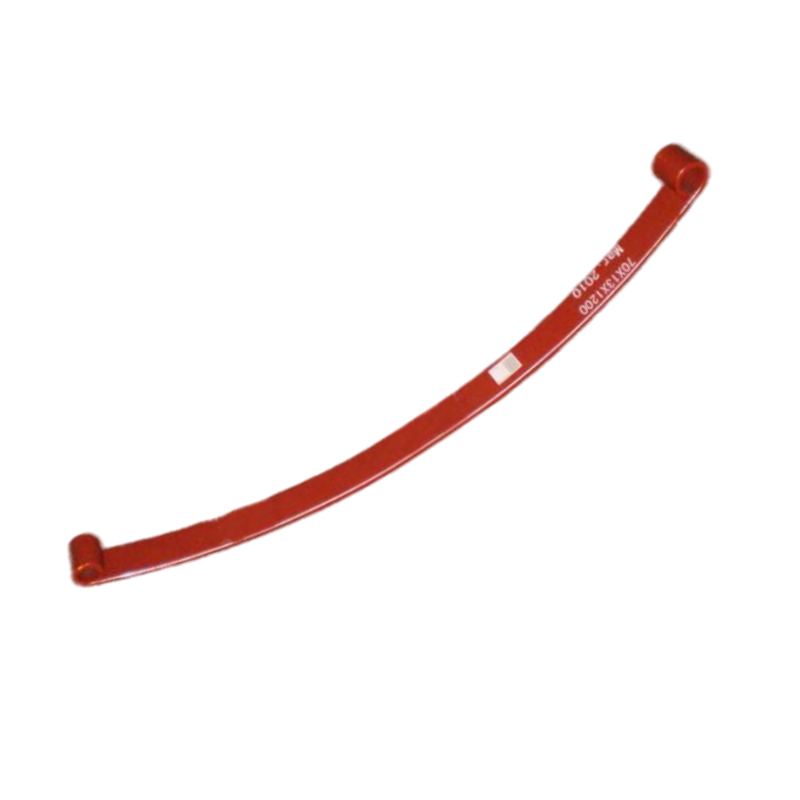
Leaf Springs: The system consists of multiple curved metal strips (spring leaves) stacked together. The primary leaf (longest one) features an eye at each end-a circular opening that serves as a mounting point.
Eye Configuration: The "eyes" are integral to the spring's attachment. The front eye is typically fixed to the trailer frame via a bolt and bushing, while the rear eye connects to a shackle (a pivoting link) to accommodate spring flex during compression and rebound.
Multi-Leaf Design: Smaller trailers often use semi-elliptical leaf springs, where shorter leaves are progressively stacked beneath the main leaf. This design balances flexibility and load distribution.
The following parameters are typical for small trailer applications. Exact specifications will vary by manufacturer and trailer model.
| Parameter | Description / Typical Specification |
|---|---|
| Spring Type | Multi-Leaf Spring (commonly 3-5 leaves for small trailers) |
| End Configuration | Double Eye (An eye at both ends) or Eye and Slip (One eye, one slipper end) |
| Eye Type | Regular/Up-Eye or Berlin/Elliptical Eye |
| Load Capacity | 1,000 lbs to 7,000 lbs per axle (450 kg to 3,175 kg). Common for small trailers: 2,000-3,500 lbs. |
| Spring Length | 24 inches to 48 inches (610 mm to 1,220 mm) - measured between the center of each eye. |
| Spring Width | 1.75 inches to 2.5 inches (44 mm to 64 mm) - a common standard is 2.5 inches. |
| Bolt Hole Diameter | 0.625 inches (5/8") or 0.75 inches (3/4") for the shackle and hanger bolts. |
| Number of Leaves | 2, 3, 4, or 5 leaves. More leaves generally mean higher load capacity and stiffness. |
| Material | High-carbon spring steel (e.g., 5160, 65Mn), often with a protective coating like paint, powder coat, or galvanization. |
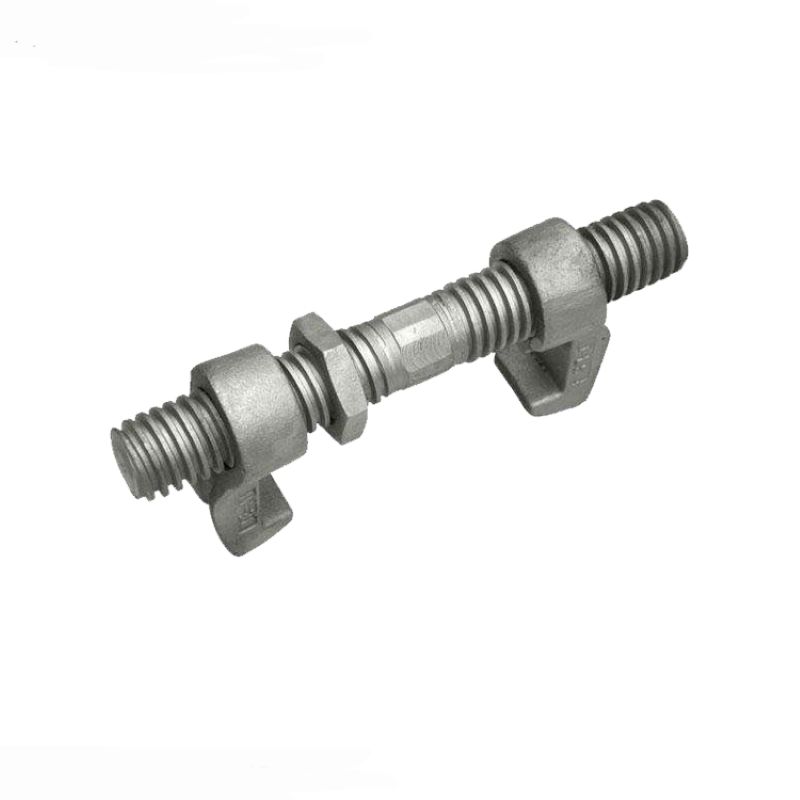
| Mounting Hardware | Includes Spring Hangers (bolted to the frame), Shackles (allows for spring length change during flex), and U-Bolts (to secure the axle to the spring). |
| Center Bolt | Locates and clamps the leaves together and centers the axle on the spring. |


Contact us: