The air suspension system in a modern semi-trailer truck relies on a constant and reliable supply of clean, dry compressed air. This supply system is crucial for maintaining ride height, vehicle stability, load leveling, and overall suspension functionality. The two primary components responsible for generating and storing this air are the Air Compressor and the Air Storage Tank (Reservoir).


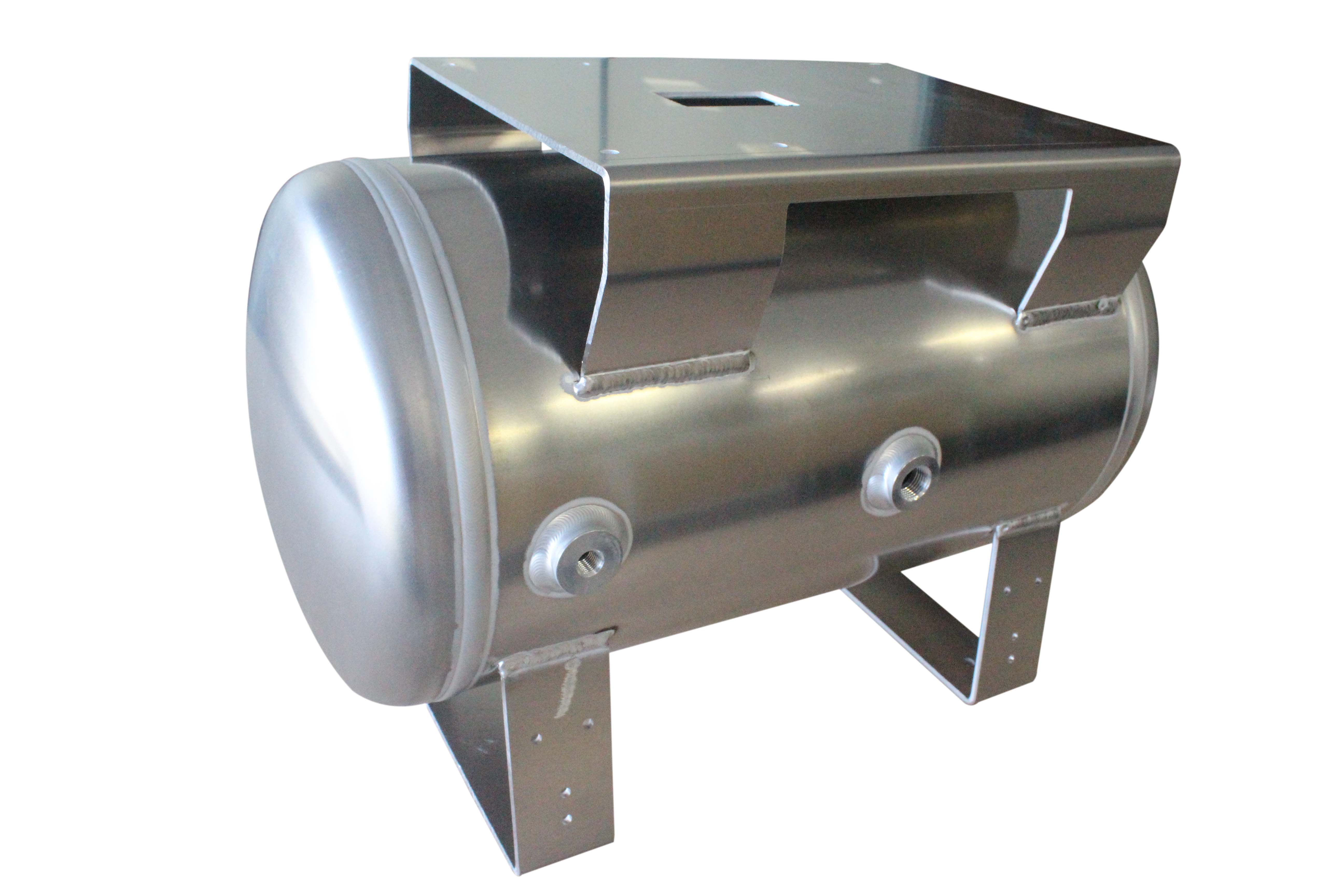
Our custom air receiver tanks are engineered to be the reliable core of any compressed air system, providing essential air storage, moisture separation, and pressure stabilization. Designed for compatibility with screw air compressors and other industrial types, these tanks ensure smoother operation, reduced compressor cycling, and improved air quality downstream.
We offer three distinct material options to suit various operational needs, budgets, and environmental conditions:
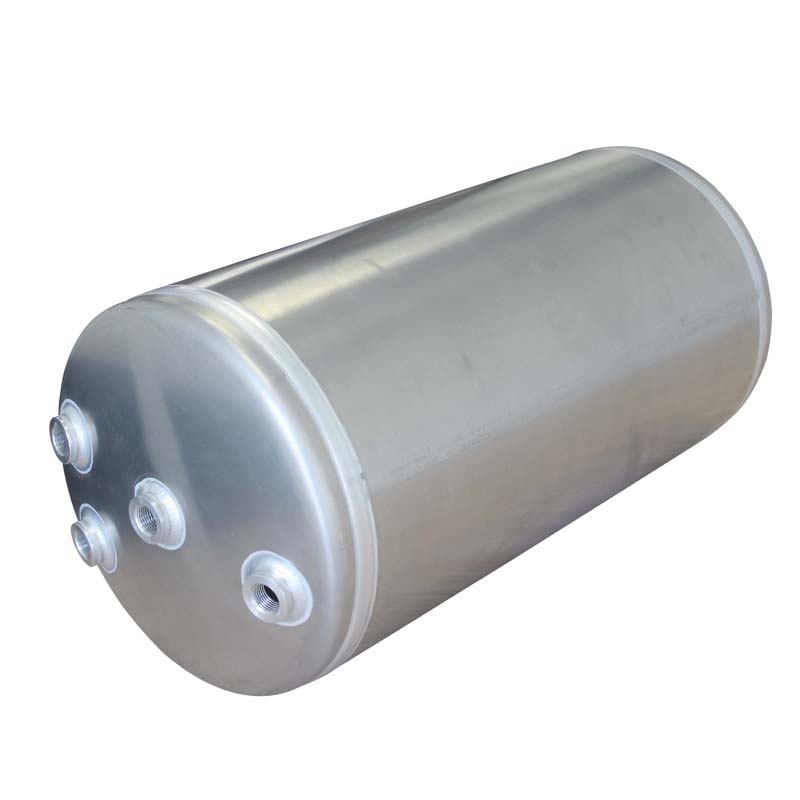
Aluminum Air Tanks: Ideal for environments where corrosion resistance and lightweight properties are critical. Perfect for mobile applications, clean rooms, or humid atmospheres.
Steel Compressor Tanks: The industry-standard workhorse, known for its exceptional strength, durability, and cost-effectiveness for general industrial use.
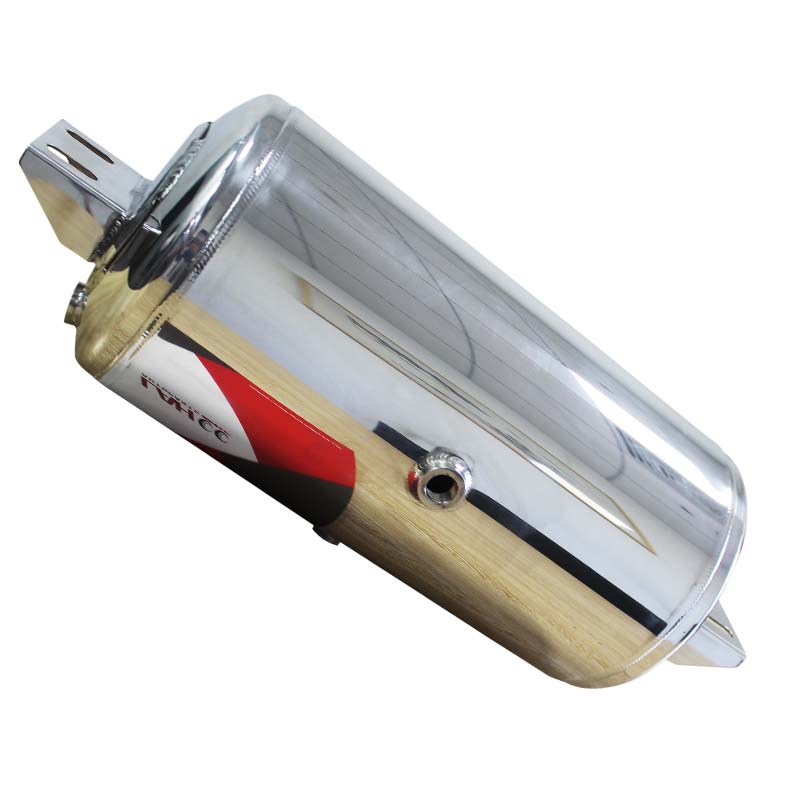
Stainless Steel Air Receiver Tanks: The premium solution for demanding applications involving high moisture, corrosive chemicals, or strict hygiene requirements (e.g., food & beverage, pharmaceuticals).
All tanks are manufactured to high safety standards and feature standard NPT (National Pipe Taper) or parallel (G) threaded ports for flexible connection to your system.
| Component | Parameter | Typical Specification / Value | Notes / Purpose |
|---|---|---|---|
| Air Compressor | Type | Single or Two-cylinder, Piston-type | Most common for heavy-duty vehicles. |
| Drive Method | Gear-driven or Belt-driven | Direct gear drive is more common for heavy-duty. | |
| Displacement | 10 - 16 Cubic Feet per Minute (CFM) ~280 - 450 Liters per Minute (L/min) |
Critical metric. Must match vehicle air demand. | |
| Maximum Working Pressure | 150 - 200 psi (10 - 14 bar) | Must exceed the system's regulated pressure. | |
| Governor Cut-out Pressure | 120 - 130 psi (8.3 - 9.0 bar) | Pressure at which compressor stops pumping. | |
| Governor Cut-in Pressure | 100 - 110 psi (6.9 - 7.6 bar) | Pressure at which compressor restarts. | |
| Lubrication | Engine oil-fed (standard) or Oil-less | Oil-less used for applications requiring very clean air. | |
| Air Storage Tank (Reservoir) |
Number of Tanks | 2 to 4 (or more) | Varies by truck configuration and air demand. |
| Total Tank Capacity | 8 - 12+ US Gallons (30 - 45+ Liters) | Total volume of all primary air tanks. Larger is better for reserve. | |
| Individual Tank Capacity | 3 - 6 US Gallons (12 - 23 Liters) each | Common sizes for individual reservoirs. | |
| Maximum Pressure Rating | 200 - 250 psi (14 - 17 bar) | Must safely exceed compressor output pressure. | |
| Primary Tank Function | Supply air to Brake System & Front Suspension | Highest priority system for safety. | |
| Secondary/Trailer Tank | Supply air to Rear Suspension, Accessories, & Trailer | May be isolated via one-way check valves. | |
| Drain Valve | Manual or Automatic (Poppet-style) | Critical for maintenance. Removes accumulated water/oil. | |
| Material & Coating | Steel with corrosion-resistant coating (e.g., epoxy) | Aluminum tanks are lighter but less common. | |
| General System | Operating Pressure | 100 - 120 psi (7 - 8 bar) | Normal working range for suspension and brakes. |
| Air Dryer | Cartridge-type, Desiccant | Essential component located between compressor and tanks to remove moisture. |
Detailed Pictures:


Contact us: